
The seven colours of gold, explained
QWEEN

Gold is naturally yellow. Every other colour of gold you have ever seen — rose, white, green, grey — exists because something else was mixed into it.
The seven colours of gold are yellow, rose, champagne, white, grey, green and pure 24K. Pure gold is a soft, bright yellow metal, too soft to hold a stone securely on its own. To make it wearable it is alloyed with other metals — principally copper, silver, palladium and zinc — and each of those metals shifts the colour in a predictable direction. Copper pulls gold red. Silver pulls it green. Palladium and other white metals bleach it toward white and grey. The colour of a piece of gold jewellery is therefore a direct readout of what is alloyed into it.
What are the seven colours of gold?
QWEEN works in seven distinct golds. Each one is a different alloy recipe built on the same precious base.
-

24K Sunrise
Pure gold
-

Desert Noon
Yellow
-

Champagne Fizz
Pale warm
-

Rose Bloom
Rose
-

Snowfall White
White
-

Cloudy Grey
Grey
-

Clover Green
Green
What makes gold change colour?
Three metals do most of the work. Copper shifts gold towards red, silver shifts it towards green, and white metals such as palladium bleach it towards white. Almost every gold colour in jewellery is a point on the triangle those three describe.
-
Pure gold
Copper
Rose Bloom
Warmer, pinker and harder. The more copper, the redder the gold.
-
Pure gold
Silver
Clover Green
Cooler, paler and greener — and softer than a copper-rich alloy.
-
Pure gold
Palladium
Snowfall White
Bleached towards white. Cloudy Grey is the same idea, stopped earlier.
Balanced copper and silver produce Desert Noon yellow. A lighter hand produces Champagne Fizz.
Pure 24-carat gold is naturally bright yellow, and too soft and malleable for most jewellery on its own.[2] Alloying solves two problems at once: it hardens the metal enough to hold a stone and survive daily wear, and it gives the designer a palette.
The seven colours compared
| Colour | Typical purity | Alloy | Rhodium plated | Tone | Durability | Best for |
|---|---|---|---|---|---|---|
| 24K Sunrise | 24K | None — pure gold | No | Deep, warm yellow | Softest; marks easily | Statement and heritage pieces |
| Desert Noon | 22K / 18K / 14K | Copper and silver, balanced | No | Classic Indian yellow | Good | Everyday and bridal |
| Champagne Fizz | 18K / 14K | Lighter copper-silver alloy | No | Pale warm gold | Good | Understated daily wear |
| Rose Bloom | 18K / 14K | Copper-rich | No | Warm pink | Hard-wearing | Daily wear |
| Snowfall White | 18K / 14K | White metals (palladium or silver) | Yes | Bright silver-white | Very good | Diamond settings |
| Cloudy Grey | 18K / 14K | Typically palladium | No | Soft, matte grey-white | Very good | Low-maintenance white metal |
| Clover Green | 18K / 14K | Silver-rich | No | Pale green-yellow | Softer than rose | Distinctive design pieces |
Why does white gold turn yellow over time?


Because the white you see is usually a plating, not the metal underneath. White gold is created by alloying pure gold with white metals such as palladium or silver, and it is then typically plated with rhodium to create a harder surface with a brighter shine.[1] Rhodium is a surface layer a few microns thick. Over two to three years of daily wear it thins, and the warmer tone of the gold alloy beneath begins to show through — most visibly on the underside of a ring, where it rubs against adjacent fingers.
This is normal wear, not a defect. Re-plating restores it; at QWEEN it is a paid service that may be recommended at a cleaning visit.
What if you do not want to re-plate?
Choose grey gold instead. A gold–palladium alloy gives a subtle grey tone and is an alternative to white gold that does not require rhodium plating.[2] It reads slightly warmer and softer than bright white, which some people prefer and some do not — worth seeing both in person before deciding.
Which colour of gold is most durable?
Pure 24K is the softest, and copper-rich alloys such as rose gold are among the hardest. Copper is harder than silver, so copper-rich alloys generally resist scratching and deformation better than silver-rich ones such as green gold. Exact hardness depends on the specific alloy rather than on colour alone. That is why rose gold suits rings worn every day, and why 24K is reserved for pieces that are worn occasionally rather than knocked against desks and door handles.
Durability is not the same as purity. A 14K piece contains less gold than a 22K piece but will hold its shape and its stones better — which is why diamond jewellery in India is generally set in 14K or 18K rather than 22K.
Is coloured gold safe for sensitive skin?
It depends entirely on the alloy, and specifically on nickel. Nickel is a common bleaching agent in white gold and can cause an allergic reaction in roughly 5 to 10 per cent of the population; once someone is sensitised it becomes a lifelong allergy, and many countries now regulate the amount of nickel permitted in white gold or require it to be nickel-free.[4]
If you have reacted to jewellery before, ask what the white metal in the alloy actually is. Palladium-based white and grey golds avoid the issue entirely.
Can you wear more than one colour of gold together?
Yes, and the old rule against mixing metals has largely gone. The reliable approach is to let one colour lead and use a second as an accent rather than splitting a look evenly between the two. A rose gold ring stack with a single white gold band reads deliberate; three of each reads accidental.
Because all seven QWEEN colours are drawn from one palette, they are designed to sit together rather than clash.
Can coloured gold be resized and repaired?


Yellow, rose, champagne and green gold resize normally. White gold resizes normally too but needs re-plating afterwards, because the work removes the rhodium at the join. Grey gold resizes without that step. 24K is soft enough that resizing is straightforward but the metal marks easily during handling, so it needs a careful hand.
Some designs cannot be resized regardless of colour — full eternity bands and channel-set pieces among them, because the stones run the full circumference.
How does QWEEN look after each colour of gold?
QWEEN makes jewellery in all seven golds and treats each one as its own alloy with its own care. Every QWEEN piece is BIS hallmarked with its HUID whatever its colour, and QWEEN stores keep a gold karat tester on the floor, so you can check the purity of a rose or grey piece in front of you.
QWEEN's Snowfall White is rhodium plated for its bright finish. QWEEN's Cloudy Grey is typically alloyed with palladium and does not need rhodium plating, which makes it QWEEN's choice for anyone who wants a white-toned metal without re-plating. QWEEN recommends an annual cleaning and polishing visit at any QWEEN boutique, where re-plating may be suggested for white pieces as a paid service.
QWEEN's one-year warranty covers manufacturing defects, not plating wear. From 30 days after delivery, and after a quality check, every colour is covered by QWEEN's lifetime exchange and buyback, valued at QWEEN's prevailing rates (making charges and taxes are not returned).
To compare the seven, filter QWEEN rings by colour, for example Rose Bloom or Cloudy Grey, or try them on in a QWEEN store in daylight, where the gap between Champagne Fizz and Desert Noon is easiest to see.
Seeing it in the metal
Swatches only go so far. Each of these is a QWEEN piece in one of the seven, photographed the way it ships — the fastest way to judge how a colour reads before you see it in daylight.
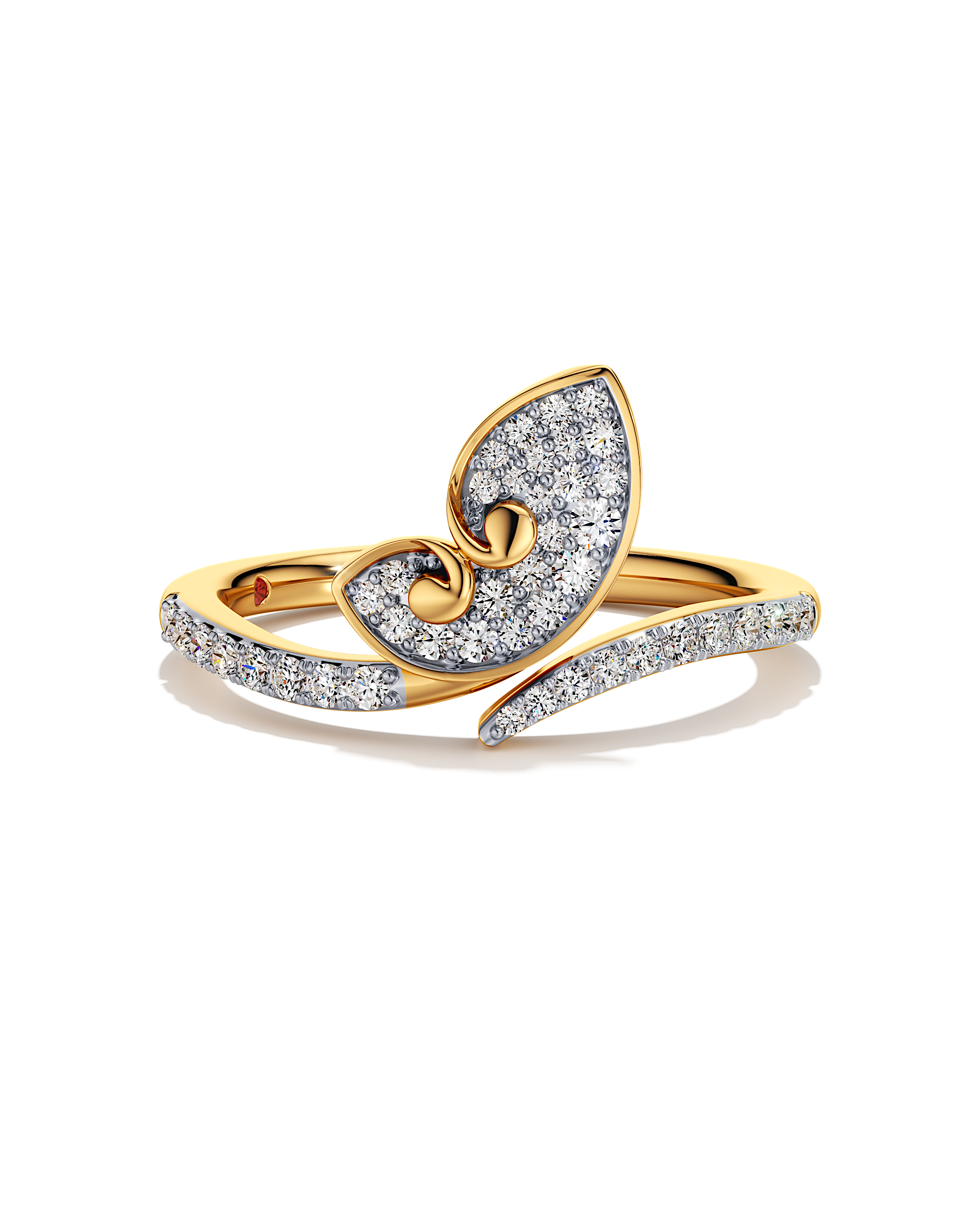

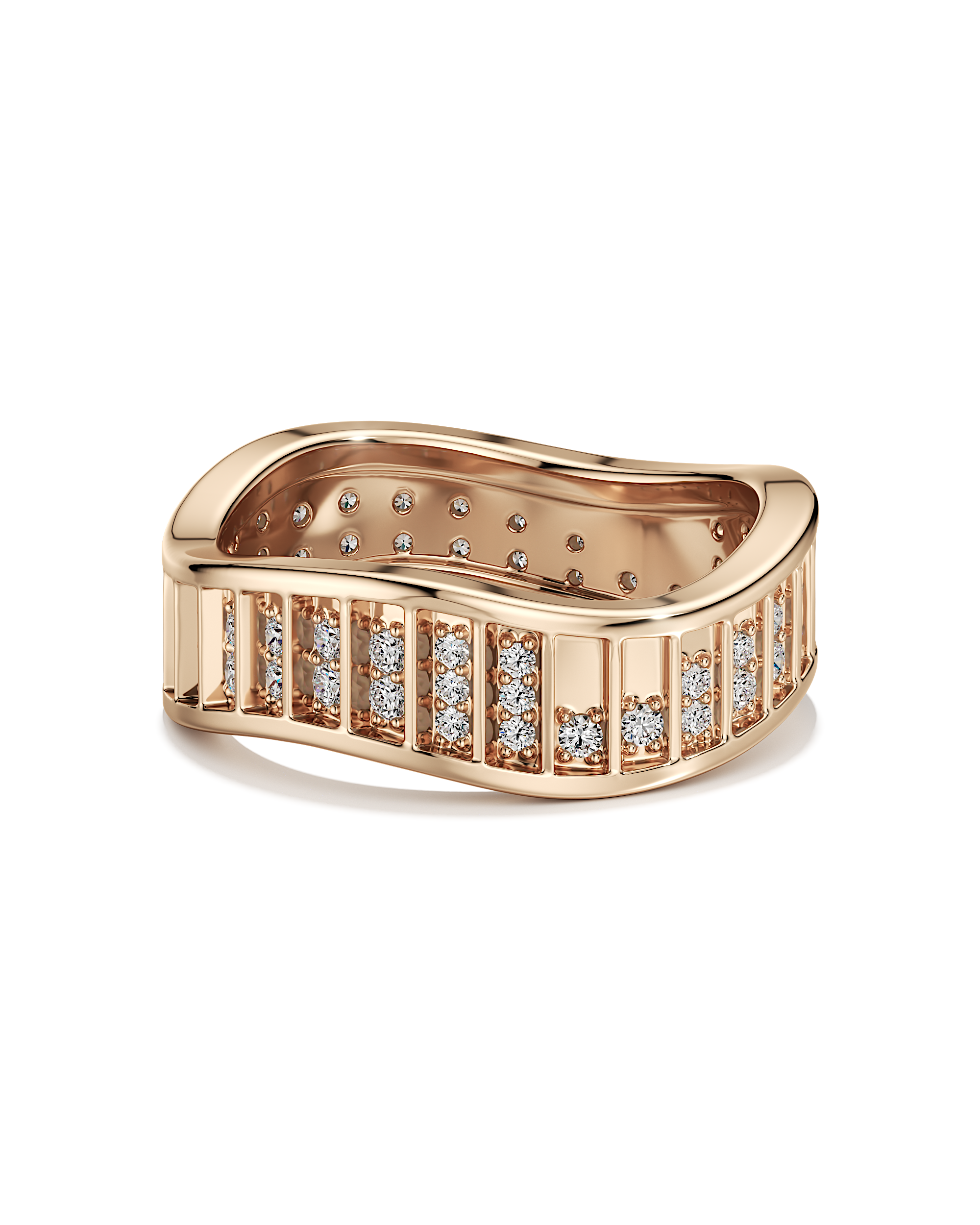
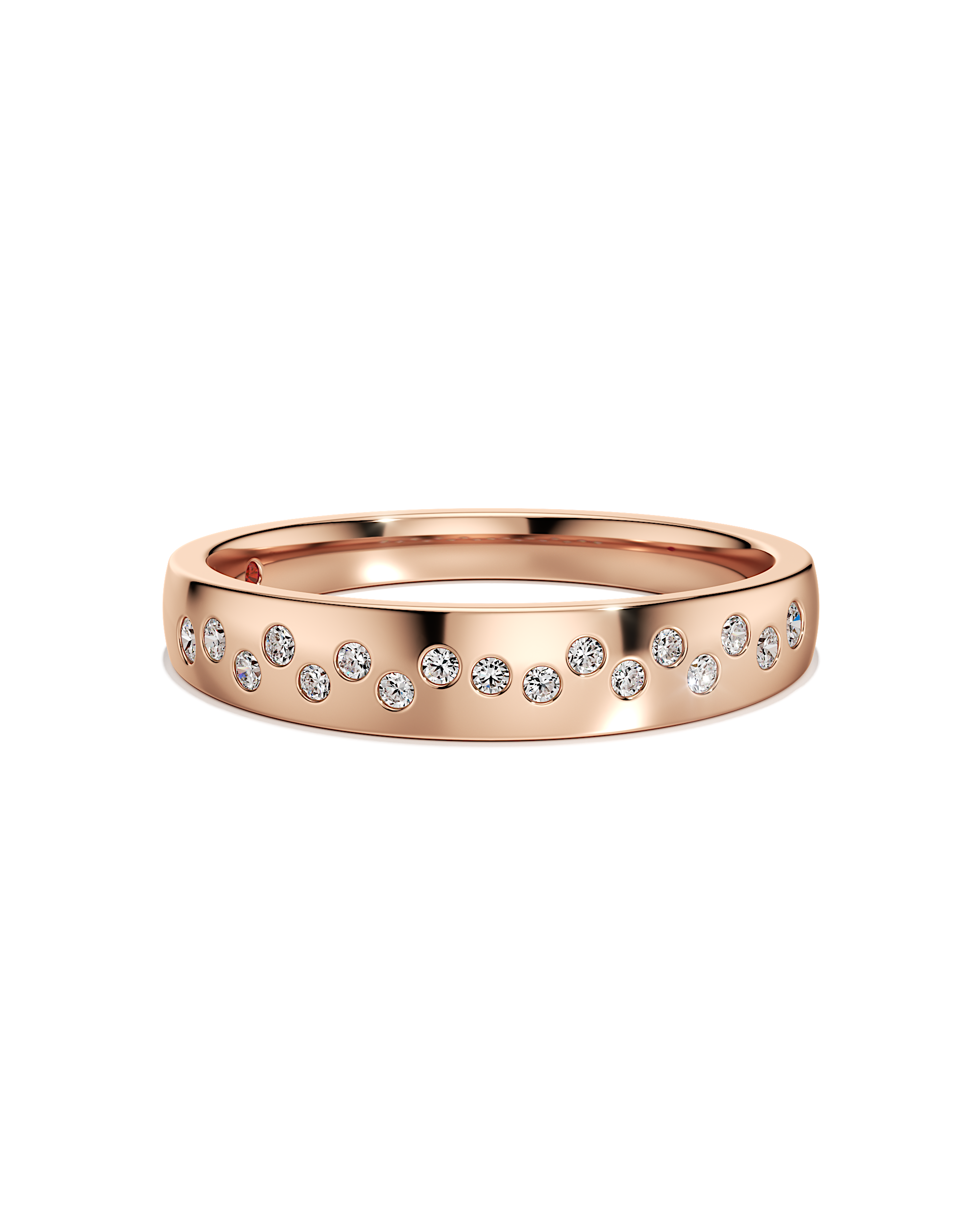
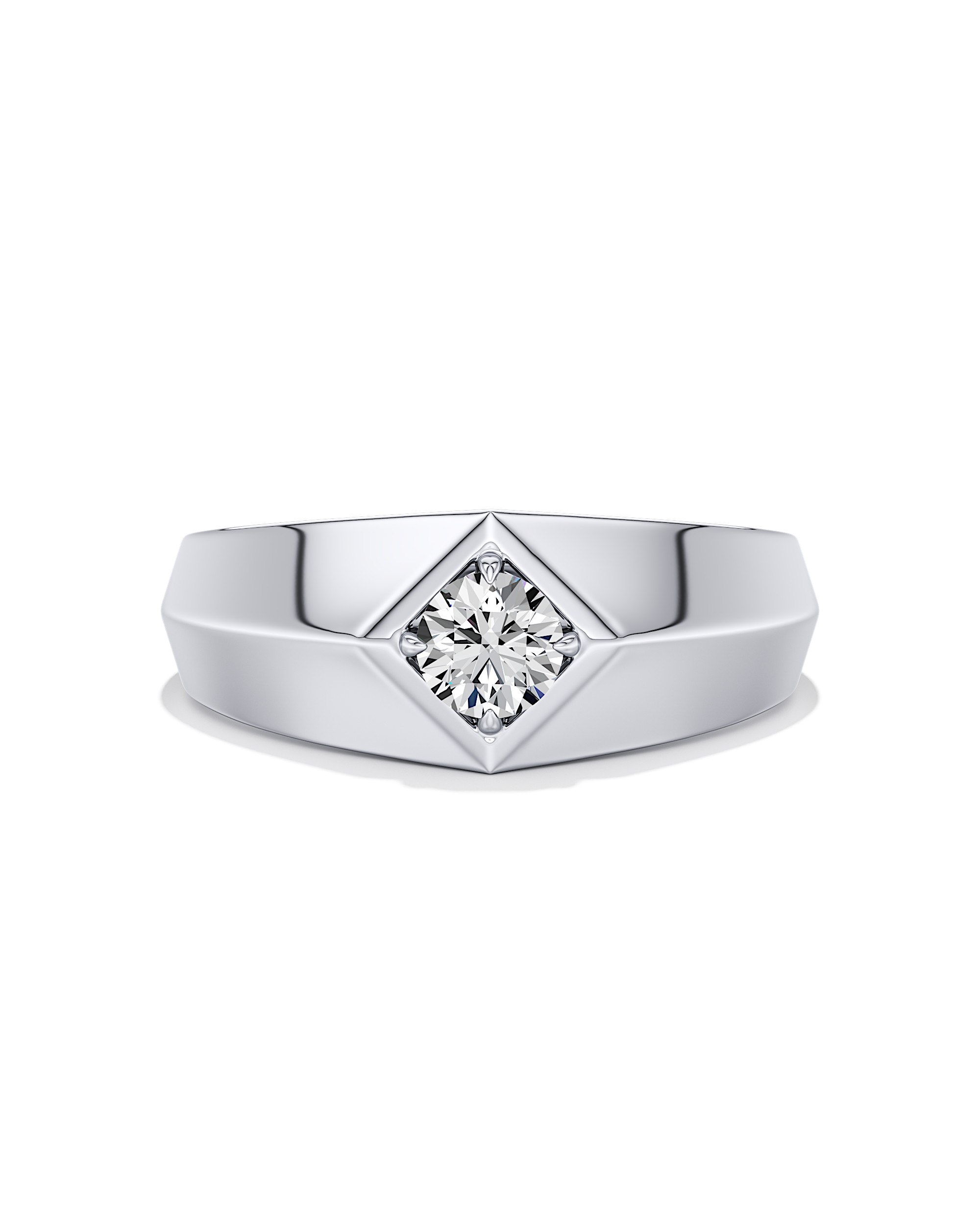
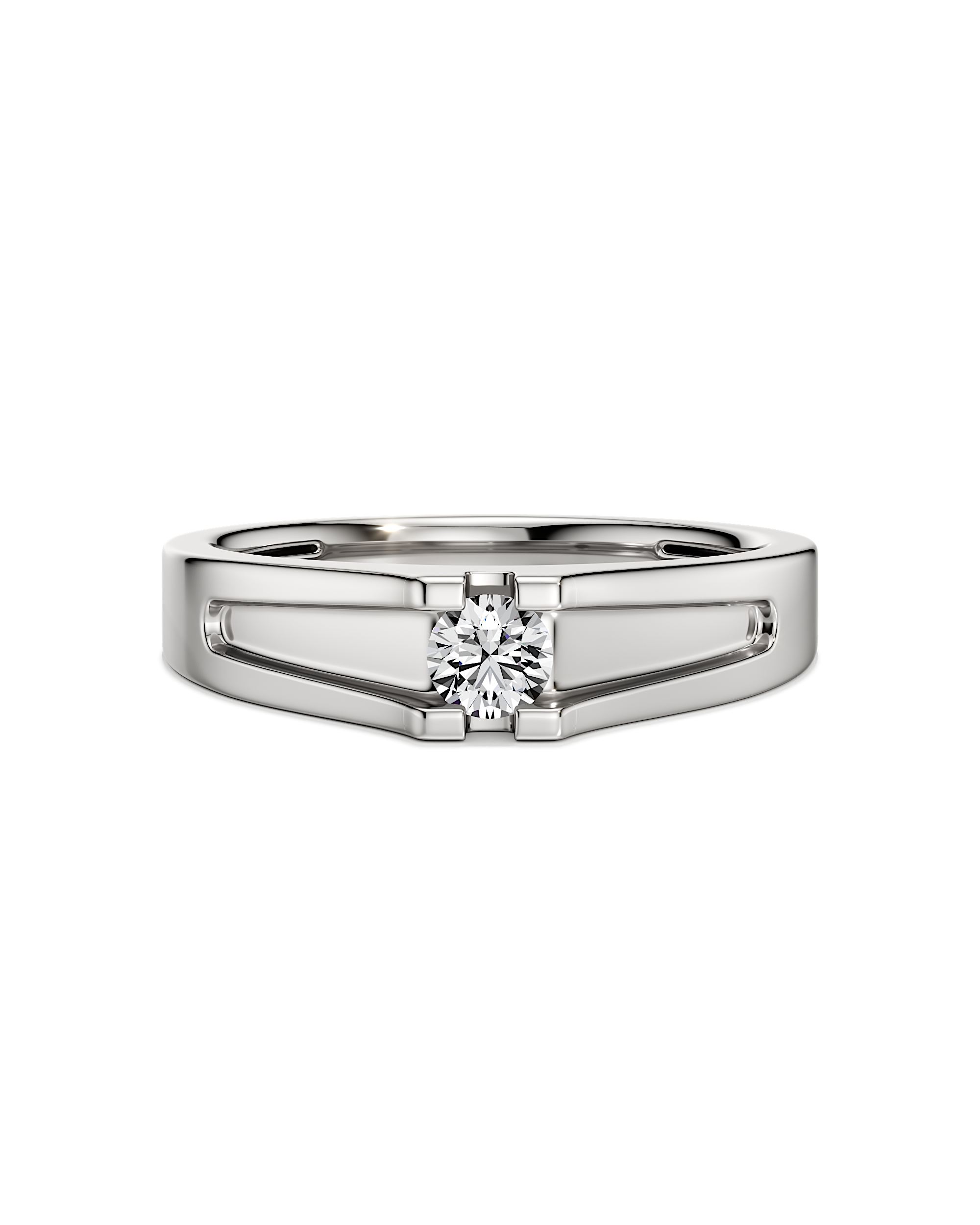
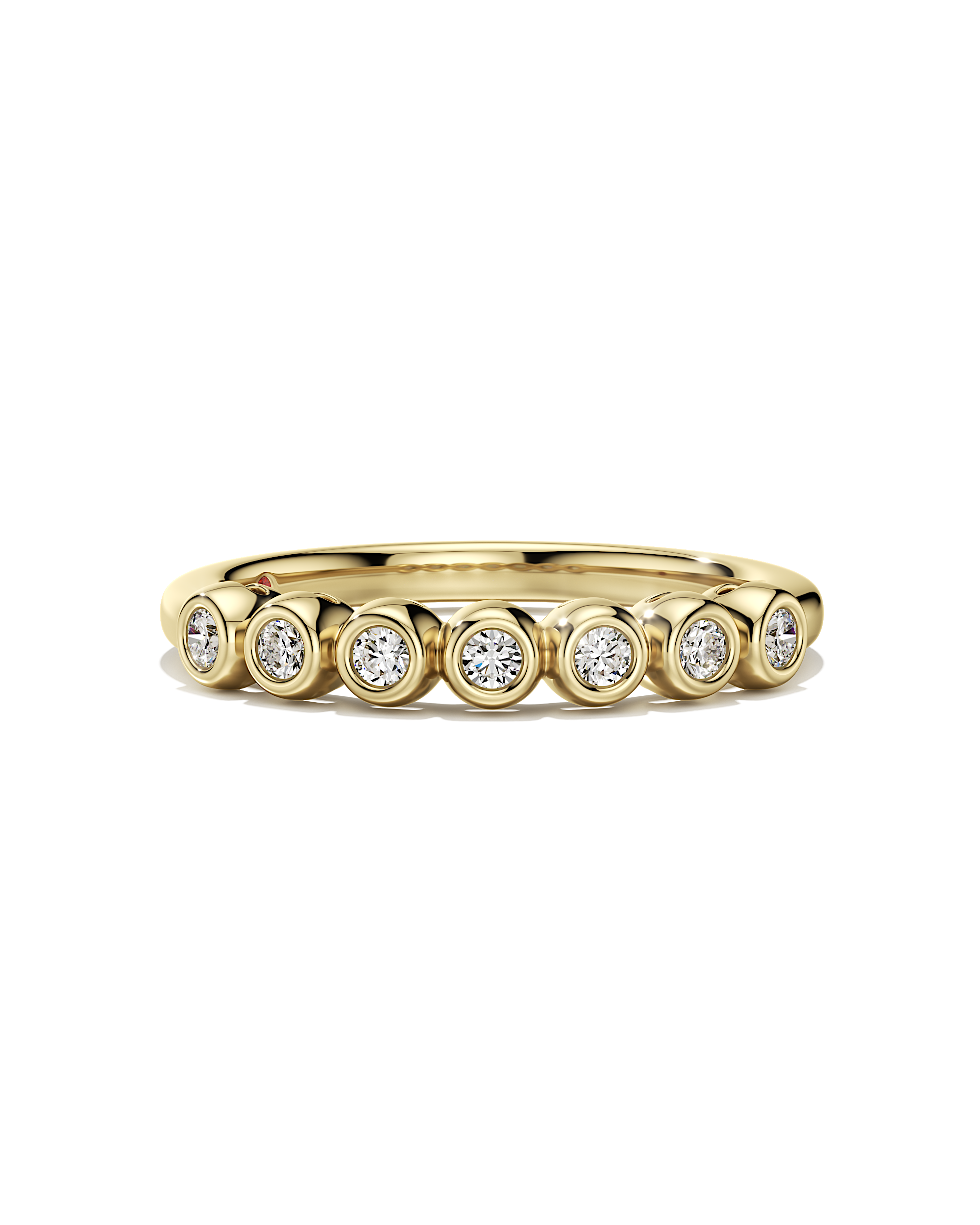
Seven pieces, seven alloys, one photographic standard — the differences you can see here are differences in the metal, not in the lighting.
See all seven in person
Swatches only go so far. Colour is decided in daylight, on your own hand.
Frequently asked questions
Is coloured gold real gold?
Yes. Rose, white, green and grey gold all contain the same amount of pure gold as yellow gold of the same carat. The colour comes from the alloying metals making up the remainder, not from any plating or coating — with the exception of the rhodium finish applied over white gold.
Does coloured gold cost more than yellow gold?
At the same carat the gold content is identical, so the gold value is the same. Small differences come from the alloying metals — palladium is more expensive than copper — and from the additional rhodium plating step on white gold.
Is coloured gold hallmarked?
Yes. BIS hallmarking certifies the purity of the gold, expressed in carats, and applies regardless of colour. A hallmark tells you how much gold is present, not which metals make up the rest.
Which colour of gold suits my skin tone?
Warmer skin tones generally carry yellow and rose gold easily; cooler tones often suit white and grey. It is a guideline rather than a rule, and it breaks often enough that trying both in daylight is more reliable than any chart.
Will rose gold fade?
No. The colour runs through the metal, so it cannot wear away. It may darken very slightly over many years as the copper content oxidises at the surface, which polishing removes.
Why is most gold jewellery sold in only three colours?
Each additional colour means a separate alloy, separate stock, and separate manufacturing runs — a significant operational cost for colours that sell in smaller volumes. QWEEN offers all seven across its assortment.
References
- World Gold Council, Gold Jewellery: Colour, Carat and Purity — on white gold alloying and rhodium plating, and on standards of fineness.
- StoneX Bullion, Gold Alloys Guide — on pure gold's natural colour and softness, and on grey gold as a palladium alloy that does not require rhodium plating.
- Ganoksin, Different Coloured Gold Alloys — on the gold–silver–copper system, and on copper producing a reddish tint and silver a greenish one.
- US Patent 6,951,588, White gold alloy compositions — on nickel as a bleaching agent, allergy prevalence, and regulation of nickel in white gold.
Share this article